On-Location Shooting: Permits and Consents
Moving your production out of the studio and into the vibrant streets of Melbourne requires more than just a camera and a crew. To ensure a professional workflow and avoid costly legal disputes or shutdowns, understanding the regulatory landscape of Victorian public spaces and private property is essential.
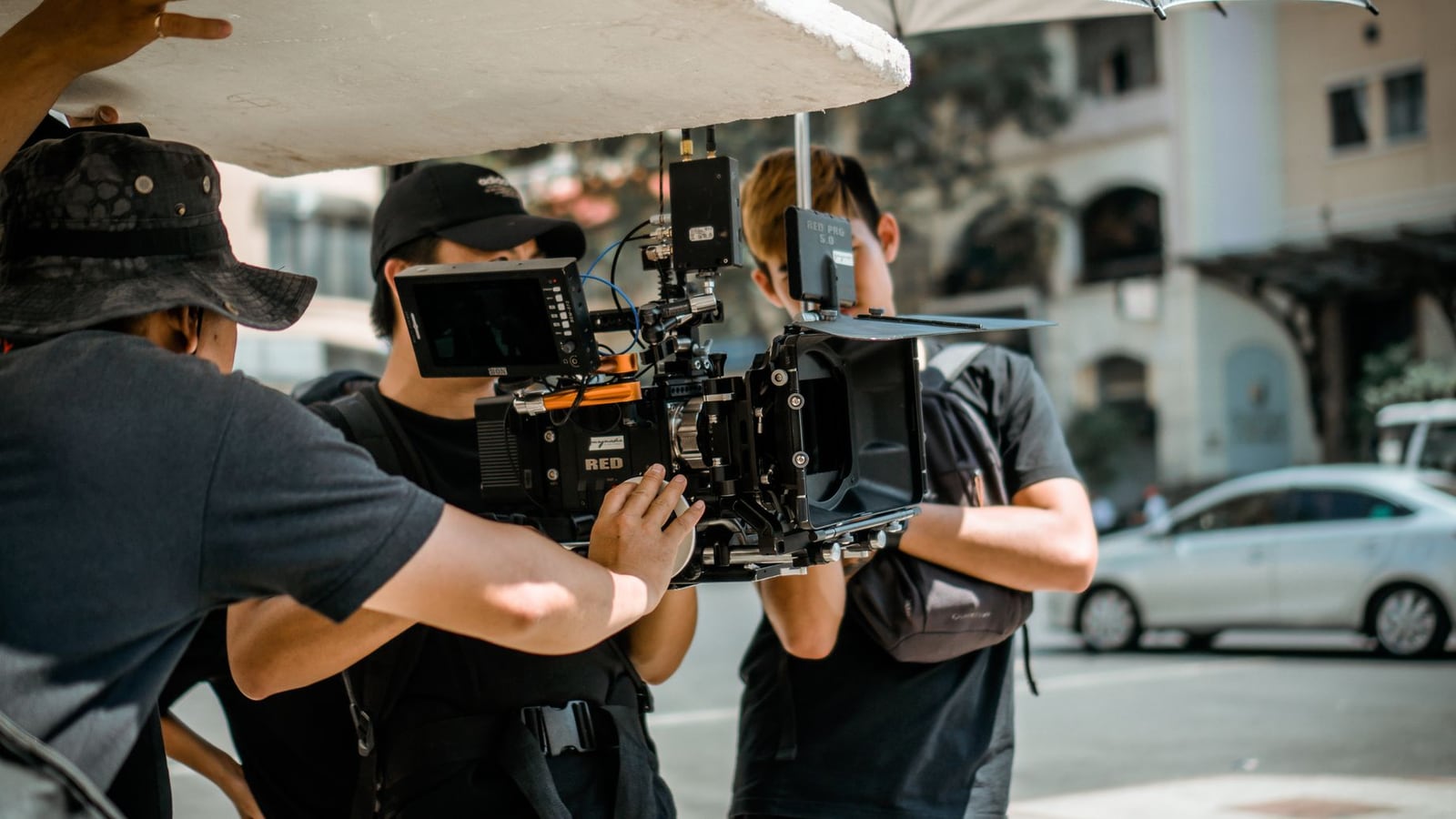
Filming in Melbourne offers an incredible architectural backdrop, from the laneways of the CBD to the coastal vistas of Port Phillip Bay. However, the transition from a controlled studio environment to a public location introduces variables that can derail a project if not managed correctly. Whether you are capturing a corporate event or a cinematic brand story, the legal framework surrounding public space usage and individual privacy is strict.
Understanding Public Space Permits in Melbourne
In the City of Melbourne, the general rule is that small-scale filming with minimal equipment may be tolerated, but any production that obstructs pedestrian traffic, uses tripods in busy thoroughfares, or involves a professional crew requires a formal permit. The City of Melbourne Council manages these applications, focusing on public safety and the minimisation of disruption to local businesses and residents.
For larger productions, you must apply for a filming permit well in advance. This process involves detailing your equipment list, the number of crew members, and the exact duration of the shoot. If your production involves parking several vehicles or occupying a specific section of a sidewalk, you may need to coordinate with VicRoads or local traffic management specialists to ensure compliance with Victorian road safety laws.
Private Property and Access Agreements
When filming on private property—such as a cafe in Flinders Lane or a corporate office—a verbal agreement is insufficient. A formal Location Agreement is required. This document should explicitly state the date, time, and specific areas of the property to be used. Crucially, it must outline the "Right of Entry" and the "Right to Film," ensuring the property owner cannot demand the footage be deleted after the shoot is completed.
We recommend that the agreement includes a clause regarding "reasonable access" for equipment and a clear understanding of who is responsible for any accidental damage to the premises. In Melbourne's high-density commercial zones, these agreements also help coordinate with neighbouring businesses to prevent noise complaints during the production.
The Critical Role of Talent Release Forms
Capturing a person's likeness on camera without their explicit consent is a significant legal risk under Australian privacy principles. A Talent Release Form is a binding contract where the individual grants the production company the right to use their image, voice, and likeness in the final edit and for promotional purposes.
This is particularly vital for event cinematography, where hundreds of people may appear in the background. While "crowd notices" (signs posted at the entrance of an event stating that filming is taking place) provide some coverage, individual releases are mandatory for anyone featured prominently in a shot. Without a signed release, you may be unable to distribute the video on commercial platforms or social media.
Melbourne-Specific Location Challenges
Filming in the Melbourne CBD presents unique challenges. The high volume of pedestrians and the intersection of various transport modes mean that timing is everything. We suggest scheduling outdoor shoots during "off-peak" hours to reduce the need for extensive security personnel. Furthermore, filming near government buildings or secure installations may require additional clearances from state authorities.
It is also important to consider the weather. Melbourne is famous for "four seasons in one day," meaning your permit should ideally cover a "weather day" or have a flexible window to avoid losing your booking fee if rain makes the location unusable.
Production Logistics Checklist
| Requirement | Action Item | Responsibility |
|---|---|---|
| Council Permit | Submit application to City of Melbourne | Producer / Agency |
| Location Agreement | Signed contract with property owner | Production Lead |
| Talent Releases | Signed forms for all featured persons | On-set Coordinator |
| Public Liability | Insurance certificate for the location | Production Company |
| Traffic Control | VicRoads approval for road closures | Traffic Manager |
Managing Music and Ambient Sound
On-location shooting often captures ambient noise, which can include copyrighted music playing from nearby shops or cafes. In the final edit, this can lead to copyright strikes on platforms like YouTube or Instagram. Our team employs professional sound gear to isolate dialogue, but we always advise clients to be aware of the acoustic environment. If music is a core part of the scene, we ensure that the appropriate licences are secured or suggest using royalty-free alternatives during the post-production phase.
Planning Your Shoot Workflow
The success of an on-location shoot depends on the preparation done before the crew arrives. This begins with a detailed storyboard and a location scout. A scout allows the cinematographer to check lighting angles and identify potential noise pollutants. Once the logistics are settled, the focus shifts to the narrative structure. If you are struggling with how to translate your location ideas into a workable plan, we recommend reading our guide on corporate video scripting to align your visuals with your message.
While small crews are less likely to be stopped, any use of professional equipment like tripods, lights, or reflectors in public spaces technically requires a permit in the Melbourne CBD to ensure public safety.
If a person refuses to sign a release, they must be blurred out in post-production or the shot must be discarded. This is why we prioritise getting releases on the day of the shoot.
Navigating the legalities of filming in Australia doesn't have to be overwhelming. By securing the right permits and consents, you protect your brand and ensure a smooth production process. If you are planning a shoot in Melbourne and need professional assistance with logistics and execution, please contact our team to discuss your project requirements.