Corporate Video Scripting in One Day
Creating a high-impact corporate film doesn't require weeks of deliberation. With a structured approach, any Melbourne business can move from a blank page to a production-ready script in a single business day, ensuring the message is clear, the tone is professional, and the vision is aligned.
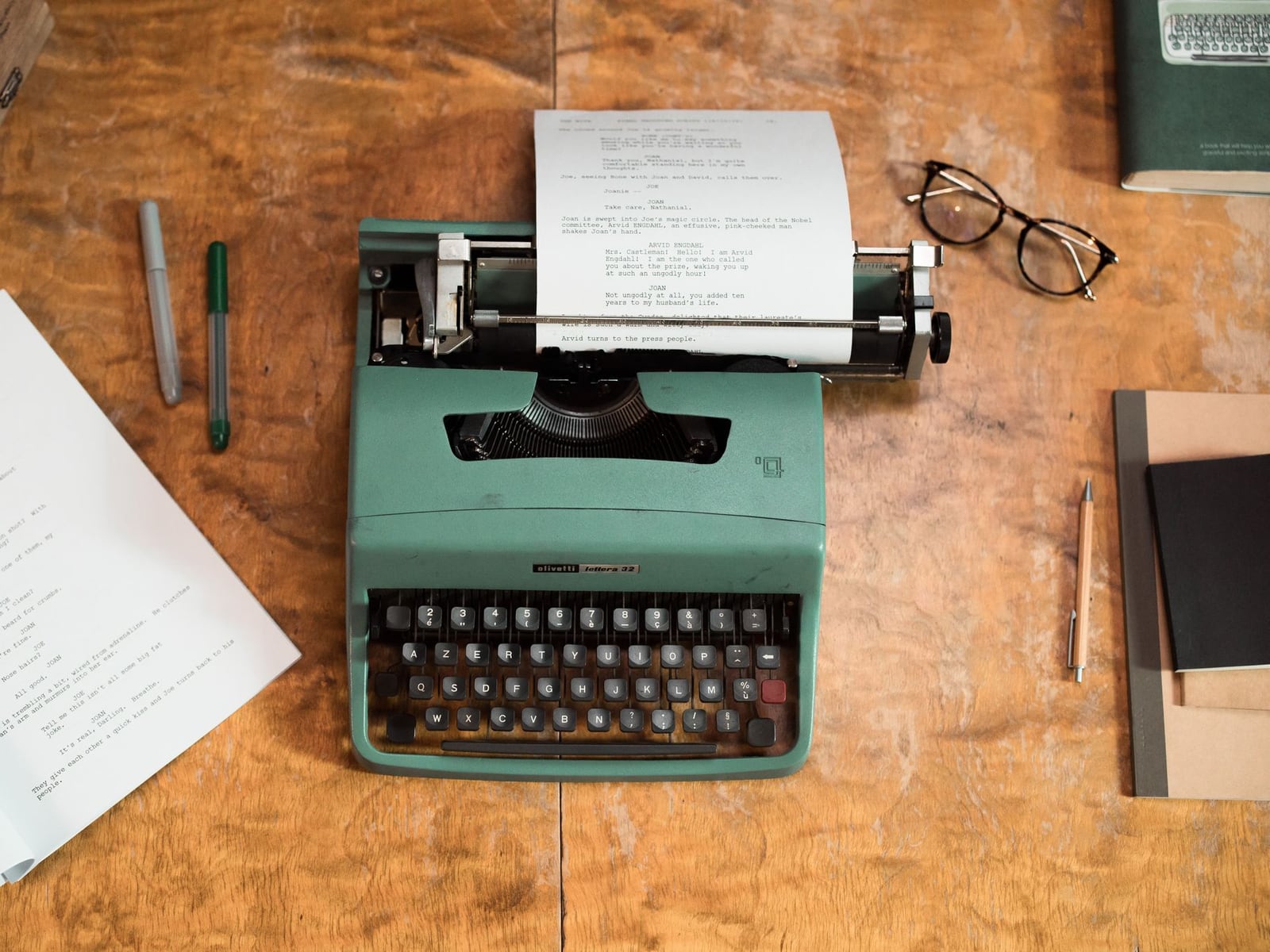
The biggest hurdle in corporate video production is often the "scripting loop"—the endless cycle of drafting, reviewing, and revising that delays the actual filming. For businesses operating in the fast-paced environment of the Melbourne CBD, efficiency is paramount. A script is more than just dialogue; it is the architectural blueprint for your Corporate Brand Film, dictating the pacing, the visual cues, and the emotional resonance of the final piece.
To achieve a finished script in 24 hours, you must shift your focus from perfection to clarity. The goal of the first day is to establish the core narrative arc and the essential talking points. Once the structure is locked, the cinematography and editing teams can plan their shots with precision, avoiding costly mistakes on set.
Phase 1: The Morning Discovery (09:00 – 12:00)
The first three hours are dedicated to extracting the "truth" of the brand. Many companies make the mistake of writing a script that sounds like a brochure. Instead, focus on the problem your business solves for the client. In the Australian market, authenticity and a "no-nonsense" approach typically perform better than overly polished, corporate jargon.
Start by defining your single most important message. If the viewer remembers only one sentence from your video, what should it be? Once this anchor is set, list three supporting pillars—facts, values, or achievements—that prove your claim. This prevents the script from becoming a laundry list of services and transforms it into a compelling story.
Phase 2: Structuring the Narrative Arc (13:00 – 15:00)
A professional corporate script follows a proven psychological path. We recommend the "Problem-Solution-Result" framework. Begin with the challenge your clients face, introduce your company as the guide who provides the solution, and conclude with the tangible result of that partnership. This structure keeps the viewer engaged by creating a tension that only your business can resolve.
During this phase, map out your visual beats. For every line of dialogue, describe what the viewer sees. Are we seeing a wide shot of the Melbourne skyline, a close-up of a product, or a candid interview in your studio? This alignment between audio and visual is what separates amateur videos from cinematic brand films.
| Time Block | Objective | Key Deliverable |
|---|---|---|
| 09:00 - 11:00 | Core Messaging & Goal Setting | The "One Sentence" Anchor |
| 11:00 - 13:00 | Interview Question Drafting | The Narrative Outline |
| 13:00 - 15:00 | Visual Storyboarding | A/V Two-Column Script |
| 15:00 - 17:00 | Refining & Time-Checking | Final Production Script |
Writing for the Ear, Not the Eye
One of the most common errors in corporate scripting is writing "for the page." People do not speak in long, complex sentences with perfect grammar; they speak in fragments, with natural pauses and emotional emphasis. When writing your script, read every line out loud. If you run out of breath or stumble over a word, the line needs to be simplified.
Avoid "corporate speak." Instead of saying "We leverage synergistic solutions to optimize operational efficiency," try "We help your team get more done in less time." This approach builds trust with the Australian audience, who value transparency and directness over linguistic fluff.
Local Considerations for Melbourne Productions
When scripting for a Melbourne-based business, consider the environment. If your script calls for "city energy," the CBD provides an incredible backdrop, but it requires planning. If you are filming on-location in areas like Flinders Lane or Southbank, your script must account for ambient noise and the movement of crowds. We often suggest scripting "B-roll" sequences—supplementary footage—that capture the local atmosphere to ground the video in a real place.
Furthermore, ensure your casting and dialogue reflect the diversity of Victoria. A corporate film that feels inclusive and representative of the local community will resonate more deeply with both local clients and international partners.
The Final Polish: Timing and Pacing
A general rule of thumb in video production is that 130 to 150 words equal approximately one minute of screen time. If your script is 600 words long, you are looking at a four-minute video, which is often too long for modern social media attention spans. Aim for 60 to 90 seconds for a brand film. This forces you to be ruthless with your editing, keeping only the most powerful phrases.
Check your pacing. Ensure there are moments of silence where the visuals can breathe. A script that is wall-to-wall dialogue feels claustrophobic. Allow for musical transitions and cinematic shots of your team at work to let the message sink in.
Scripting Checklist for Success
- Single Objective: Does the script have one clear goal?
- Conversational Tone: Have you read the dialogue out loud?
- Visual Alignment: Is every line of audio paired with a visual description?
- Duration Check: Does the word count match the desired video length?
- Call to Action: Is there a clear instruction for the viewer at the end?
Once your script is finalised, the next logical step is understanding how these creative decisions impact your budget. We invite you to read our guide on Understanding Video Production Costs to see how script complexity affects the final investment.
If you prefer to have professional producers handle the storytelling, conceptualisation, and scripting for you, contact our Melbourne studio today to start your project.